
Genuine Leather vs Faux Leather: What’s the Difference?
A clear comparison of texture, durability, aging, and value so you can understand what sets genuine leather apart.
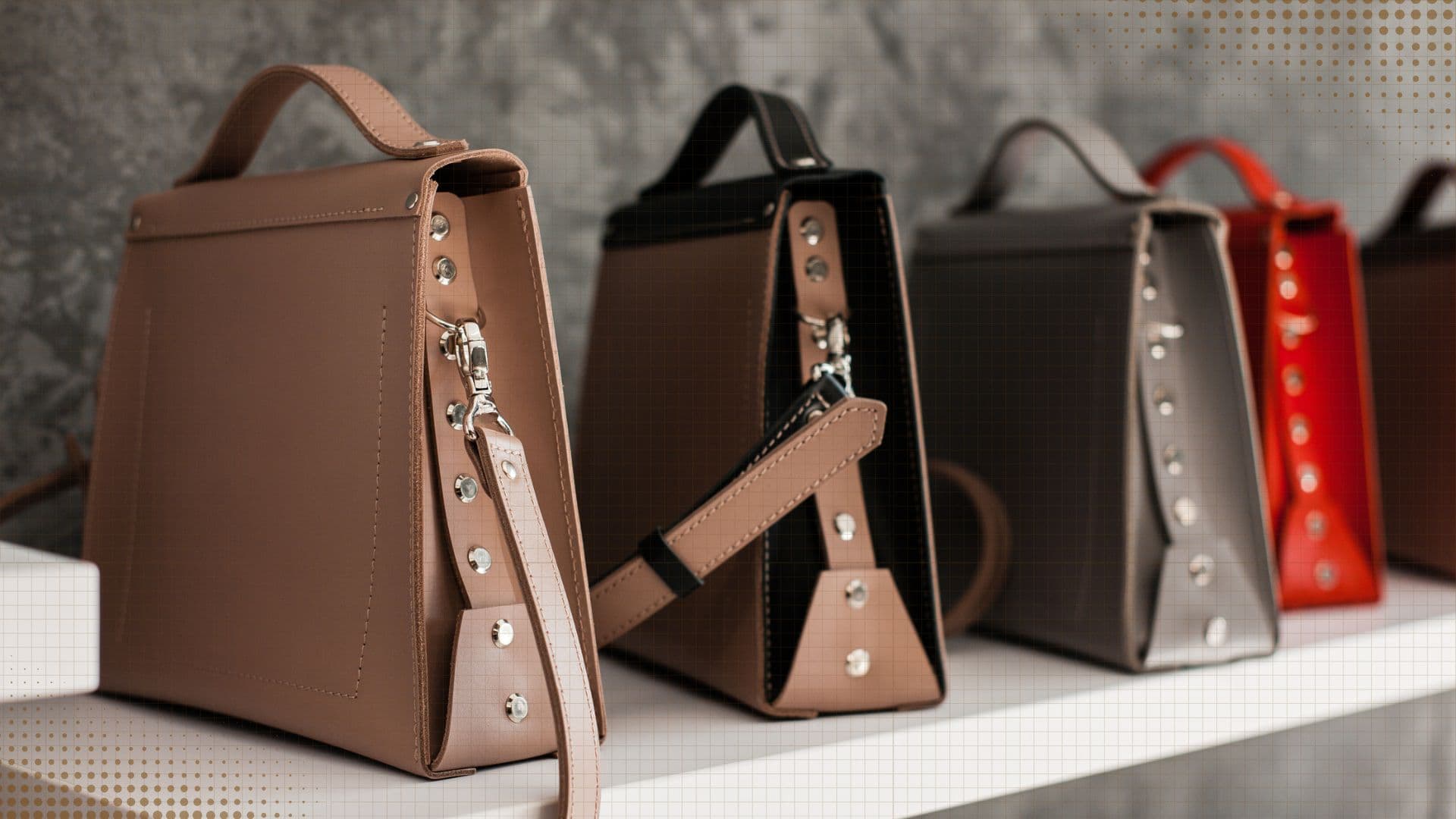
Material clarity
Real leather rewards use with character, while faux materials are built for short-term appearance.
Quick summary
Primary keyword focus: genuine leather vs faux leather.
Reader intent: buyer intent with premium, value-driven guidance.
Template structure: aspirational hook, practical advice, comparison, care notes, and product integration.
Hook
A great leather piece is never just something you carry. It is part of how you move, how you present yourself, and how you choose quality that lasts.
The problem
Too many similar-looking products make it hard to know what is actually worth buying.
Material labels can be vague, which creates confusion around genuine leather and construction quality.
A product may look good in photos but still miss the right size, function, or daily practicality.
The solution
What to Look for Before You Buy
Material Matters
The foundation of any leather bag is the material itself. Look for natural grain, depth of texture, and a finish that feels premium without looking overly coated.
Premium leather ages with character and keeps its identity over time. That matters more than a surface-level first impression because this is a product meant to stay in use.
Check whether the grain looks natural rather than overly plastic or uniform.
Notice how the surface feels in hand. Better leather feels dense, warm, and substantial.
Choose materials that age well instead of those that only look polished on day one.
Size & Function
A better leather bag should fit the way you move through the day. Think about what you carry most often and remove features that only add bulk.
Function becomes premium when it feels effortless. Layout, access, and proportions should support your routine rather than interrupt it.
Match storage to your real essentials, not your worst-case carry habits.
Keep the design practical enough for daily use and clean enough for long-term appeal.
Avoid oversized formats if you want the product to stay comfortable over time.
Style & Design
Leather carries visual weight, which means the design does not need to overcompensate. Cleaner lines usually feel more premium because the material gets space to speak.
Choose a look that fits your wardrobe and personal rhythm. A timeless shape is easier to style and easier to keep in rotation for years.
Prefer restrained details over decorative excess.
Use color and finish to align the piece with the rest of your wardrobe.
Timeless design usually gives you more wear across seasons and settings.
Durability & Craftsmanship
Good craftsmanship shows up in the small decisions: edge finishing, stitching consistency, reinforced stress points, and balanced hardware.
These details matter because leather products are handled constantly. Strong construction protects the material and keeps the shape feeling intentional over time.
Check stitching for consistency, spacing, and tension.
Look at edges, corners, and hardware because these areas reveal shortcuts quickly.
Choose pieces built for repeat use, not just a clean product photo.
Material clarity
Real leather rewards use with character, while faux materials are built for short-term appearance.
Quick buying guide
Check the texture first. A premium leather bag should feel natural, structured, and substantial in hand.
Choose a layout that suits your real routine so the bag stays comfortable and easy to use.
Look closely at stitching, edges, and hardware because those details reveal quality faster than marketing copy.
Care tips after purchase
Keep your leather bag away from direct heat and prolonged moisture exposure.
Wipe gently with a soft dry cloth before dirt settles into the surface.
Use a simple conditioner occasionally rather than over-treating the material.
Quick product comparison
Product integration
LeatherK wallets are designed with durability, clean structure, and modern everyday carry in mind, so the piece feels better in use and stronger over time.
Explore LeatherK collection crafted for everyday elegance, durability, and modern leather utility.
Recommended products
Crafted pieces to explore next

New fashion matte crocodile pattern ladies handbag high-end temperament OL commuter large-capacity shoulder slung handbag elegan
A premium new fashion matte crocodile pattern ladies handbag high-end temperament ol commuter large-capacity shoulder slung handbag elegan designed for everyday use with a clean, modern style.

Designer Bag for Women Handbags New Pattern Printed Handbag Small Shell Bags Versatile Trendy Women Crossbody Bag
A premium designer bag for women handbags new pattern printed handbag small shell bags versatile trendy women crossbody bag designed for everyday use with a clean, modern style.

Designer Bag Women Luxury High Quality Purse Leather Exquisite Cross Body Shoulder Saddle Wallet Small Gold Ball Square Fat
A premium designer bag women luxury high quality purse leather exquisite cross body shoulder saddle wallet small gold ball square fat designed for everyday use with a clean, modern style.
Conclusion
Choosing the right leather bag is not about chasing trends. It is about finding a piece with timeless value, clean design, and craftsmanship that earns its place every day.
Keep reading
Related LeatherK insights
Leather Products
How to Choose the Perfect Leather Wallet (Complete Guide)
Learn how to judge leather, layout, durability, and size so you can choose a wallet that feels refined every day.
Read articleLeather Products
Best Leather Wallets for Men in 2026
See what matters most in a men’s wallet today, from slim carry layouts to craftsmanship that lasts.
Read articleLeather Products
Best Leather Bags for Women (Style + Function Guide)
A practical style guide to choosing leather bags that look elevated, feel useful, and fit modern routines.
Read article